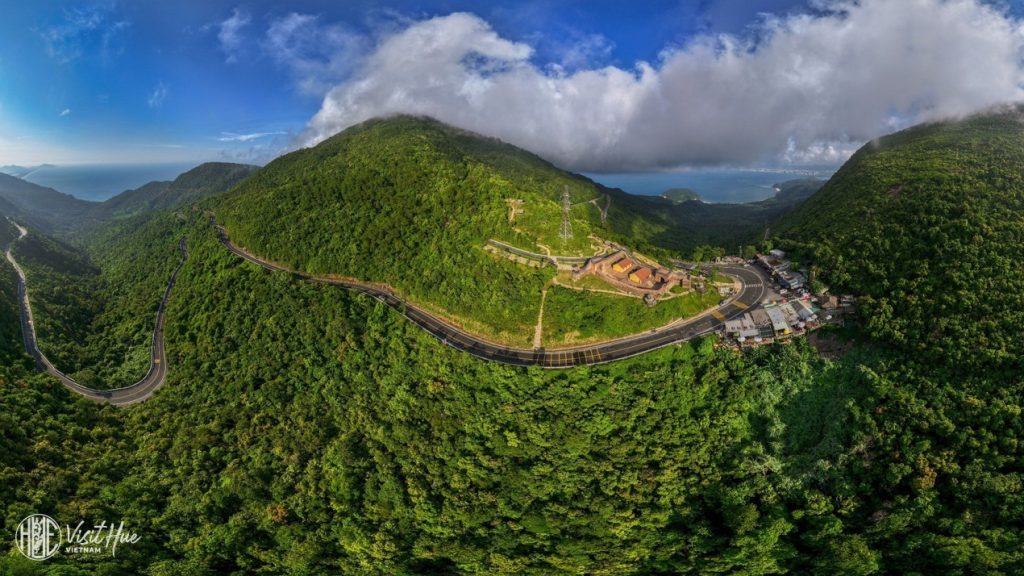
The **Hai Van Pass** (Ocean Cloud Pass) is legendary. Stretching 21 kilometers across the Annamite Range, this mountain pass was popularized by the Top Gear Vietnam Special as “one of the best coastal roads in the world.” With its dramatic curves, steep mountain cliffs, and sweeping views of Da Nang Bay, it is an absolute must-do for anyone traveling in Central Vietnam.
However, beneath its breathtaking beauty lies a challenging road. The pass features steep inclines, blind hairpin corners, sudden coastal mist, and unpredictable local traffic. To help you plan your journey, we have compiled this honest guide on how to cross the Hai Van Pass safely, comparing the three main transport methods: motorbike, train, and private car.
1. Crossing the Pass by Motorbike: The Adventurous Choice
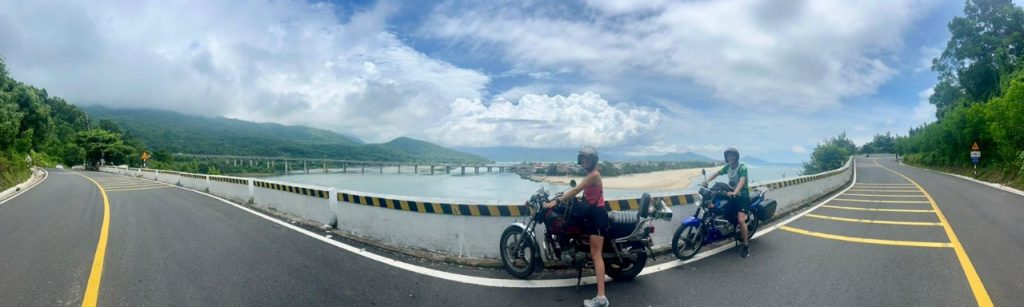
Riding a motorbike over the Hai Van Pass is the ultimate bucket-list adventure for many travelers. It offers the freedom to feel the sea breeze, smell the mountain air, and pull over at any corner for a photo.
- The Experience: Thrilling and immersive. You have 100% control over your pace.
- Safety Risks: **High.** The pass has several blind curves (especially the famous U-turn curves). Wet roads from mountain rain can make the asphalt extremely slippery. Sudden fog or “ocean clouds” can reduce visibility to less than 5 meters in a matter of minutes. Additionally, you will share the road with trucks and local buses.
- Best For: Experienced riders with a valid license, solo travelers, and adventure seekers.
- Safety Tips: Check your brakes and tires before departing. Drive slowly, keep to the right, and sound your horn when approaching blind corners. Never ride in the dark or during heavy rain. If the mist rolls in, turn on your hazard lights and slow down immediately.
2. Crossing the Pass by Train: The Relaxing Choice
For those who want to see the scenery without the stress of navigating mountain roads, the train operated by Vietnam Railways is a fantastic option.
- The Experience: Scenic and nostalgic. The railway tracks cling directly to the cliffside, offering views of hidden rocky coves and pristine beaches that are completely invisible from the main road.
- Safety Risks: **Virtually Zero.** This is the safest way to cross the pass.
- Best For: Budget travelers, families with young children, senior travelers, and anyone who wants to sit back and relax.
- The Drawbacks: You cannot stop to take photos, visit the historical bunkers at the summit, or enjoy a cup of coffee. The train windows can also be dusty, making photography difficult.

3. Crossing the Pass by Private Car: The Safe & Comfortable Choice
Booking a private car transfer is the perfect middle ground. It combines the comfort and safety of a private vehicle with the sightseeing flexibility of a motorbike.
- The Experience: Comfortable and flexible. You travel in a modern, air-conditioned vehicle with a professional driver who knows the road inside out.
- Safety Risks: **Extremely Low.** Our local drivers navigate this mountain pass daily and are trained to drive defensively.
- Best For: Families, couples, travelers with heavy luggage, and anyone wanting a comfortable, camera-safe sightseeing tour.
- The Benefits: You can customize your itinerary. You can stop at the summit to explore the historic French and South Vietnamese war bunkers, take photos of Lang Co Bay, and have a cup of Vietnamese salt coffee at a cliffside cafe, all while keeping your camera gear safe and dry.

4. Essential Safety Rules for the Hai Van Pass
Regardless of how you choose to travel, keep these basic safety rules in mind:
- Check the Weather Forecast: Do not cross the pass during heavy rain, storms, or strong winds. Landslides and slippery roads are common during the monsoon season (October to December).
- Do Not Park on Curves: If you stop to take photos, ensure your vehicle is parked completely off the road in a safe, visible shoulder area. Never stop in the middle of a hairpin turn.
- Stay in Your Lane: Do not cross the yellow center line. Local trucks and motorbikes often cut corners, so stay alert and keep to your side of the road.
5. Frequently Asked Questions (FAQs)
Q1: Is the Hai Van Pass dangerous for motorbikes?
A: Yes, it can be dangerous for inexperienced riders. The sharp turns, steep grades, and sudden weather changes require confident driving skills. If you are not experienced in riding a manual or semi-automatic motorbike in mountainous areas, we strongly recommend booking a private car instead.
Q2: Do buses go over the Hai Van Pass?
A: Most public buses and shared shuttle vans travel through the Hai Van Tunnel rather than over the pass to save time. If you want to experience the pass, you must hire a private car, ride a motorbike, or book a specific open-bus tour.
Q3: What is the best time of day to cross the pass?
A: The best time to cross is between 9:00 AM and 4:00 PM. During these hours, the visibility is usually best, the road is dry, and the lighting is perfect for photography.
Cross the Pass in Comfort & Safety
Want to experience the breathtaking beauty of the Hai Van Pass without the stress of driving? Book your private car transfer with us today. Our professional drivers will handle the road while you enjoy the journey.